

What Is Etiquette? The True Meaning of Modern Manners and Why It Still Matters Today
Respect. Consideration. Integrity. The question “What is etiquette?” is asked more often than you might think—and it is frequently misunderstood.
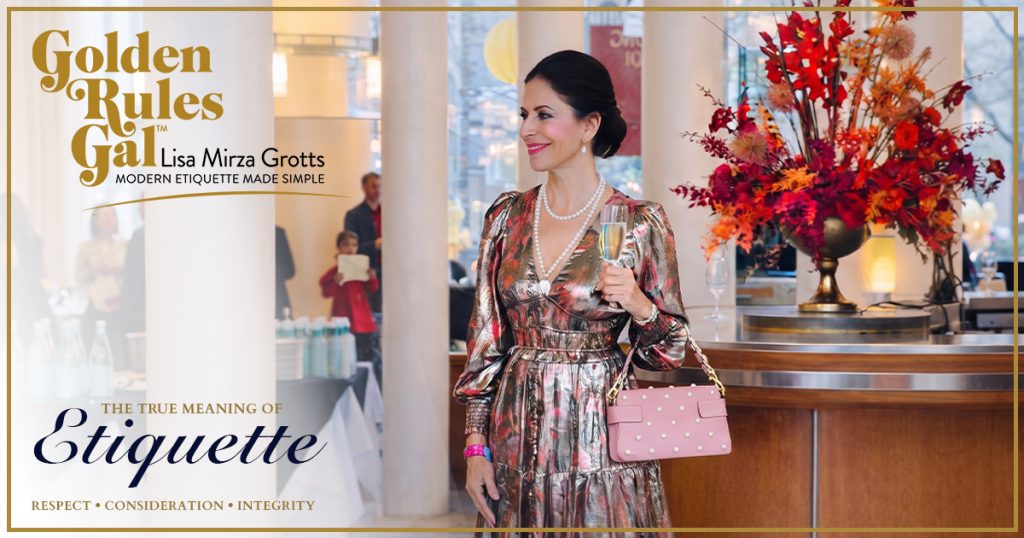
Quick Answer: What Is Etiquette?
At its core, etiquette is the thoughtful consideration of others. It serves as the guiding framework for social behavior, professional conduct, and modern communication. Unlike rigid rules of the past, modern etiquette is rooted in emotional intelligence, helping individuals build trust, strengthen relationships, and navigate everyday interactions with clarity, poise, and confidence.
The True Meaning of Etiquette
Many people assume etiquette refers exclusively to formal dinners, rigid rules, or outdated traditions reserved for a bygone era. Images of white gloves, elaborate place settings, and endless restrictions often come to mind. However, in professional practice, etiquette is far more powerful and relevant than traditional stereotypes suggest.
The word etiquette originates from the French term étiquette, which was once utilized strictly to prescribe behavior at the royal court. Over time, its meaning evolved far beyond palaces and formal royal occasions. Today, etiquette touches nearly every aspect of modern life, influencing business environments, social gatherings, cross-cultural exchanges, and digital communications.
Based on industry experience and decades of protocol consulting, true etiquette rests on three enduring pillars:
- Respect: Respect acknowledges the inherent value of others. It means recognizing boundaries, honoring differences, and treating people with dignity regardless of status or circumstance.
- Consideration: Consideration asks us to think beyond ourselves. It encourages proactive awareness of how our words, actions, timing, and behavior affect those around us.
- Integrity: Integrity means doing the right thing even when no one is watching. Etiquette without integrity becomes a hollow performance, whereas etiquette paired with integrity builds authentic character.
What Is the Difference Between Manners and Etiquette?
One of the most common questions professionals ask is whether manners and etiquette are the same thing. While these terms are frequently used interchangeably, they serve entirely different purposes.
Simply put: Manners are the action. Etiquette is the strategy.
Manners represent the concrete behaviors themselves. Common examples include saying “please” and “thank you,” holding a door for a stranger, writing a handwritten thank-you note, arriving punctually, or offering a warm greeting. Conversely, etiquette is the overarching framework behind those behaviors. It explains when an action is appropriate, why it matters, and how it should be correctly applied across diverse settings.
Why Etiquette Matters More Than Ever in the Digital Age
Some individuals wonder whether etiquette still matters in an era defined by instant messaging, video calls, and artificial intelligence. The answer is unequivocally clear: it matters more than ever.
Although technology has fundamentally transformed how we communicate, it has not altered core human needs. People still want to feel respected, heard, valued, included, and appreciated. Etiquette acts as the bridge that fulfills these essential needs.
In a world where many interactions occur behind screens, courtesy becomes vital. For instance, written text can easily misinterpret tone, messages can feel abrupt, and assumptions can quickly replace understanding. Etiquette provides the essential human element, reminding us that there is a living person on the receiving end of every digital or physical interaction.
Expert Insight on Digital Etiquette
A common mistake in modern communication is relying entirely on speed while sacrificing warmth. Based on professional consulting experience, slowing down just enough to verify tone in emails or Slack messages prevents costly misunderstandings and preserves workplace trust.
How Etiquette Influences Professional Success & Leadership
In business, etiquette often determines powerful first impressions long before technical expertise or presentation slides enter the conversation. From Gen Z professionals entering the corporate workforce for the first time to seasoned executives leading global teams, strong etiquette skills enhance overall professional credibility.
Mastering professional etiquette yields measurable career benefits, including:
- Elevating executive communication and leadership presence
- Strengthening personal branding across corporate networks
- Improving client retention and long-term business relationships
- Preventing interpersonal misunderstandings in hybrid offices
- Increasing influence and building deep professional trust
As industry experts frequently note, people may forget your specific presentation metrics, but they will never forget how you made them feel. Etiquette signals competence and composure without requiring a single boastful word.
Explore our targeted executive coaching and resources to elevate your career growth at our resource hub.
Ready to Master Modern Professional Presence?
Transform your soft skills into career currency with expert guidance designed for modern leaders and ambitious professionals.
Strengthening Personal Relationships Through Awareness
Etiquette is not limited to formal boardrooms and business lunches; it matters just as much within our personal lives. Good etiquette strengthens friendships, marriages, family bonds, and communities because it encourages deep, active awareness.
In personal relationships, awareness translates into actionable habits:
- Listening fully without planning your immediate rebuttal
- Showing genuine gratitude for small favors
- Respecting emotional and physical boundaries
- Practicing punctuality as a sign of respect for other people’s time
- Following through reliably on personal commitments
Although these behaviors appear small on the surface, healthy relationships are built upon small, positive moments repeated consistently over time.
Why Civility Matters in Today’s Fast-Paced Culture
We live in a culture that frequently rewards speed over thoughtfulness. Responses are immediate, opinions are constant, and human attention spans are shrinking. Despite these pressures, civility remains one of the most powerful tools available for social harmony.
Civility is essentially etiquette in action. It allows individuals and groups to disagree fundamentally without becoming disagreeable, encouraging constructive dialogue rather than polarizing division. Good manners do not eliminate conflict entirely, but they provide the essential framework required to navigate tension with dignity.
Traditional Rules vs. Modern Etiquette
To fully appreciate how etiquette has evolved to meet contemporary demands, consider how traditional interpretations compare with modern principles:
| Feature | Traditional Etiquette | Modern Etiquette |
|---|---|---|
| Core Focus | Rigid rules, social status, and formal compliance. | Emotional intelligence, inclusion, and mutual respect. |
| Application | Restricted to royal courts, elite dinners, and high society. | Integrated into daily digital communication, workplaces, and homes. |
| Primary Driver | External performance and fear of social error. | Internal integrity, genuine consideration, and awareness. |
| Digital Adaptation | Non-existent or slow to adapt to technological shifts. | Active guidance for email, Slack, video meetings, and social media. |
Frequently Asked Questions
What is etiquette in simple terms?
Etiquette is the thoughtful consideration of others expressed through respectful behavior, clear communication, and elevated social awareness.
Why is etiquette important today?
Etiquette helps build trust, improve communication, strengthen relationships, and create positive interactions in both personal and professional environments.
What is the difference between etiquette and manners?
Manners are specific actions (such as saying thank you or holding a door), whereas etiquette is the overarching strategic framework explaining when, why, and how those behaviors apply.
Does etiquette still matter in the digital age?
Yes. Modern etiquette extends directly to email, texting, video calls, and social media, where tone can easily be misinterpreted and awareness is critical.
How can I improve my etiquette skills?
Start by building your everyday awareness: listen more carefully, communicate respectfully, arrive punctually, express gratitude, and consider how your actions impact others.
Is etiquette just a rigid set of outdated rules?
No. Modern etiquette is rooted in emotional intelligence, flexibility, and humanized professionalism rather than rigid royal decrees.
How does etiquette affect professional success?
Strong etiquette skills elevate leadership communication, strengthen personal branding, improve client relationships, and increase executive presence long before technical expertise is evaluated.
What are the three core principles of etiquette?
The three foundational pillars are Respect (acknowledging the value of others), Consideration (thinking beyond oneself), and Integrity (doing what is right when no one watches).
Can etiquette help navigate personal conflicts?
Yes, civility and etiquette provide the tools needed to disagree without becoming disagreeable, allowing us to manage difficult conversations with dignity.
Where can I learn modern etiquette skills online?
You can explore specialized masterclasses, such as the Dining Etiquette Masterclass or the Gen Z Golden Rules Playbook, to master modern social skills.
The Etiquette Takeaway
Etiquette is never about memorizing rigid rules or performing for an audience. Instead, it is about understanding people deeply. The most polished individuals are rarely the most formal; rather, they are the most aware. When respect, consideration, and integrity guide your daily behavior, good manners become second nature—and that never goes out of style.
Ready to elevate how you show up at the table, in conversation, at work, or online? Visit our Courses or contact us to begin your journey with our online masterclasses today.
Master Modern Manners With Confidence
Discover practical tools for navigating today’s professional and social world with poise and grace. Explore our programs starting at just $19.99.