


Thank You Note Etiquette: 9 Timeless Tips for Handwritten Gratitude
In our instant-communication world, a thoughtful handwritten thank-you note remains one of the most powerful ways to build and strengthen relationships. Here are 9 expert tips that will elevate your gratitude game.
By Golden Rules Gal • Updated July 2026 • 12 min read
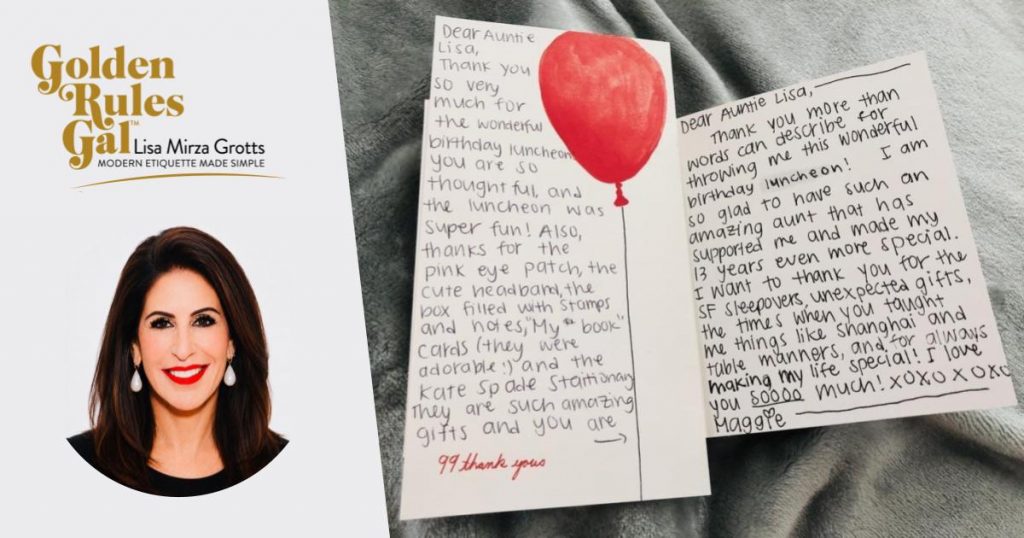
Table of Contents
- Why Handwritten Thank-You Notes Still Matter
- 1. What Should You Never Say in a Thank-You Note?
- 2. How Long Should a Thank-You Note Be?
- 3. When Should You Send a Thank-You Note?
- 4. Is It Ever Too Late?
- 5. When Is a Handwritten Note Required?
- 6. Are Text Messages Good Enough?
- 7. How Should Your Note Sound?
- 8. How to End Your Thank-You Note
- 9. Making Gratitude a Daily Habit
- Real-World Examples & Templates
- Frequently Asked Questions
Why a Handwritten Thank-You Note Still Matters in 2026
We live in an age of instant communication. Texts arrive in seconds, emails in minutes, and social media reactions are even faster. Yet some of the most meaningful expressions of gratitude still arrive the old-fashioned way — tucked inside an envelope.
A handwritten thank-you note feels deliberate. It signals that you took time out of your busy life to pause, reflect, and acknowledge someone’s kindness. This physical gesture carries emotional weight that digital messages often lack.
According to etiquette experts and relationship researchers, recipients frequently save handwritten notes for years. They become tangible reminders of appreciation and connection. In professional and personal contexts alike, this small act can significantly strengthen relationships.
1. What Should You Never Say in a Thank-You Note?
Never mention anything negative about a gift or gesture, even if you plan to exchange it. The focus must remain on the giver’s thoughtfulness and generosity.
Avoid phrases such as:
- “I already have one of these.”
- “I’m thinking of exchanging it.”
- “It’s not really my style.”
Instead, celebrate the intention behind the gift. People remember how their generosity was received. A gracious response builds stronger relationships than perfect taste-matching.
2. How Long Should a Thank-You Note Be?
Thank-you notes should be short and sincere — typically three to five thoughtful sentences. Quality matters far more than length.
Example:
“Thank you for the beautiful serving bowl. It was perfect for our family dinner last weekend, and I thought of you each time someone complimented it. Your thoughtfulness made our new home feel even warmer.”
Be specific. Mention the exact gift or gesture and how you used or appreciated it. Specificity transforms a generic note into a memorable one.
3. When Should You Send a Thank-You Note?
Ideally, mail your note within 48 hours of receiving the gift or kindness. Promptness shows attentiveness and prevents the giver from wondering whether their gesture was appreciated.
This timeline is especially important for shipped gifts or events where multiple people contributed. Timeliness adds sincerity to your message.
4. Is It Ever Too Late to Send a Thank-You Note?
It is never too late to express genuine gratitude. Life gets busy, and delays happen. A late note is always better than no note at all.
Simple opener: “This note is long overdue, but my gratitude is not.” Acknowledge the delay gracefully and then focus on appreciation. Most recipients are touched rather than offended by a sincere late thank-you.
5. When Is a Handwritten Note Required?
Handwritten notes are particularly important for:
- Wedding, shower, or housewarming gifts
- Overnight hospitality or weekend stays
- Job interviews or professional recommendations
- Meaningful support during difficult times
- Exceptional acts of kindness
If mailing isn’t possible (e.g., international recipients), handwrite the note, photograph it clearly, and send the image electronically. The personal effort still shines through.
6. Are Text Messages Good Enough?
Text messages serve well for immediate acknowledgment — especially for confirming safe receipt of a package. However, they should often be followed by a handwritten note when the occasion is significant.
Why? Handwritten notes are tangible keepsakes. People save them, display them, and reread them years later. Very few archive text threads the same way.
7. How Should a Thank-You Note Sound?
Write in your natural, authentic voice. The note should sound like you — warm, genuine, and gracious. Avoid overly formal language that feels inauthentic.
Read your draft aloud. If it sounds like something you would actually say to the recipient in conversation, you’ve struck the right tone.
8. How Should You End a Thank-You Note?
Your closing creates the final impression. Choose one that matches the relationship:
- “Warmly”
- “With gratitude”
- “All my thanks”
- “Fondly”
- “With sincere appreciation”
Always sign your full name (or first name if the relationship is close) for clarity.
9. Why Gratitude Is a Habit Worth Practicing
The most gracious people practice gratitude regularly, not just for major events. Thank-you notes are about awareness — noticing kindness and acknowledging effort.
When gratitude becomes habitual, relationships deepen naturally. People remember how you made them feel. In business, friendship, family, and social settings, this creates lasting connection.
Real-World Examples and Templates
After a Job Interview
“Thank you for taking the time to meet with me yesterday. I enjoyed learning more about the team’s innovative projects and feel even more excited about the possibility of contributing…”
For Wedding Gifts
“Your generous gift will help us create many beautiful memories in our new home. We particularly loved [specific detail]…”
Handwritten vs Digital Thank-Yous
| Aspect | Handwritten Note | Text/Email |
|---|---|---|
| Perceived Effort | High | Low |
| Keepsake Value | Excellent | Poor |
| Emotional Impact | Strong | Moderate |
| Best For | Significant occasions | Quick acknowledgments |
Frequently Asked Questions About Thank You Note Etiquette
How soon should I send a thank-you note?
Ideally within 48 hours, though any sincere note is better than none. Promptness shows attentiveness.
Is a text message enough for a thank-you?
Texts work well for immediate confirmation but handwritten notes remain the gold standard for meaningful gifts and occasions.
What should I write if I didn’t like the gift?
Focus exclusively on the giver’s kindness and thoughtfulness. Never mention disappointment with the item itself.
Is it rude to send a thank-you note late?
No. Acknowledge the delay gracefully and then express sincere gratitude. Late is always better than never.
Are handwritten thank-you notes still necessary today?
Yes. In our digital world, they stand out precisely because they require time, effort, and intention.
Should I handwrite notes for business contacts?
Absolutely. They create memorable differentiation and strengthen professional relationships.
What stationery is appropriate?
Simple, high-quality cards or notecards in neutral or personal colors work best. Avoid overly flashy designs.
How do I thank multiple people for one gift?
Send individual notes to each person, acknowledging their contribution specifically.
Can I send a photo of a handwritten note?
Yes, especially for international recipients. The personal handwriting still conveys care.
What if I forget to send a note?
Send one as soon as you remember. A sincere apology for the delay paired with gratitude is always appreciated.
Expert Tip
Keep a small stock of quality thank-you cards and stamps at home. Having supplies ready removes a common barrier to prompt gratitude.
Common Mistakes to Avoid
- Being too vague (“Thanks for the gift”)
- Sounding overly formal or robotic
- Delaying until you forget entirely
- Focusing on yourself rather than the giver
- Using email templates that feel impersonal
Conclusion: Gratitude Never Goes Out of Style
In a culture that rewards speed, handwritten thank-you notes invite us to slow down and truly acknowledge others. They remind us that relationships are built through small, consistent acts of appreciation.
The most memorable notes aren’t the longest or most eloquent; they are the most genuine. By following these timeless principles of thank you note etiquette, you demonstrate respect, build stronger connections, and leave a lasting positive impression.
Book an Etiquette Consultation
Ready to master modern manners? Explore our etiquette coaching programs.