


Holiday Card Etiquette: 9 Golden Rules to Follow
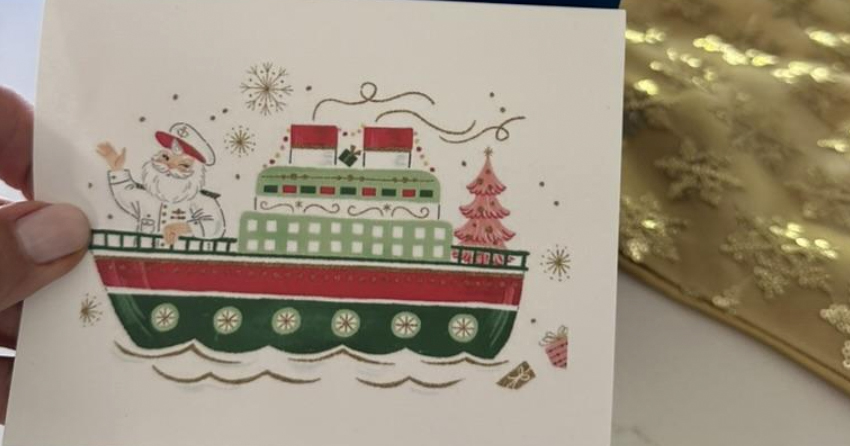
In a world of texts, emails, group chats, and instant updates, a holiday card feels almost radical—in the best possible way. It is tangible, thoughtful, and intentional. A piece of mail quietly tells the recipient, you’re in my thoughts during the most festive time of the year.
That is why holiday card etiquette still matters. A card is not just correspondence; it is a small gesture of connection, wrapped in paper and sent with care. In a digital age, where communication often disappears as quickly as it arrives, a holiday card creates a pause. It says someone took the time to choose, write, address, stamp, and send something personal.
Who Needs Holiday Card Etiquette?
- Who should send holiday cards? Anyone who values connection, tradition, and thoughtful communication.
- What makes a holiday card meaningful? Personal effort.
- Where do they belong? In homes, offices, mailboxes, and memory boxes.
- When should they be sent? Early enough to arrive before the holiday season passes.
- Why do they matter? Because good manners are often found in the follow-through.
Etiquette is about connection, and holiday cards remain one of the most meaningful ways to create it. When done well, they offer warmth, continuity, and a welcome pause from the digital noise.
1. Why Holiday Cards Still Matter
In a digital age, physical mail feels personal. A holiday card is a small gift of time and attention. It may sit on a mantel, be taped to a doorway, or tucked away as a keepsake long after the season ends.
Texts are quick and emails are efficient, but a card has presence. It says, I remembered you. And during a season when people are often busy, distracted, or overwhelmed, being remembered matters.
2. Know the Value of Doing It Well
A digital card may work beautifully for international friends, business contacts, or last-minute greetings, but a handwritten note carries warmth screens cannot replace. Doing it well does not mean doing it extravagantly; it means choosing a card with care, writing a few personal words, and sending it with intention.
In today’s fast, self-focused world, personal effort stands out. A card does not need to be expensive—it simply needs to feel sincere. Thoughtfulness is always in style.
3. Holiday Card Do’s and Don’ts
Do personalize every card when possible. A printed name alone can feel impersonal, especially for close friends and family. Add a brief handwritten line such as:
- “Thinking of you this holiday season.”
- “Wishing you peace and joy in the New Year.”
- “So grateful for your friendship.”
Don’t use the card as a place to boast, complain, or overshare. The best holiday greetings are warm, brief, and gracious. A few thoughtful words often make a stronger impression than a page of updates.
4. Mail Early for Best Impact
Timing is part of the courtesy. Holiday cards should be mailed early enough to arrive before December 25 if you are sending Christmas greetings, or before the New Year if your card is more seasonal. A good rule of thumb is to begin addressing cards after Thanksgiving and mail them during the first two weeks of December.
Otherwise, Valentine’s Day will be here before you know it. A late card is still better than no card, but timely mail feels more intentional.
5. Skip the Braggy Year-End Letter
If it requires photocopying, it likely won’t be read. That may sound blunt, but it is often true. A year-end letter can be lovely when it is short, genuine, and heartfelt. The trouble begins when it becomes a highlight reel of promotions, vacations, awards, and every achievement since January.
Think warm, not boastful. Share one meaningful update and mention gratitude. Keep the tone humble and human. Holiday cards should create connection, not comparison.
6. Never Forget a Return Address
This is a USPS reminder—not just mine. A return address matters because it allows recipients to reply, update their own address books, and reconnect if they have lost touch. It also helps undeliverable cards find their way back to you. Good etiquette makes it easy for people to respond; a beautiful card without a return address is a missed opportunity for continued connection.
7. Don’t Guess at Religion
Unless you know a family’s faith, “Season’s Greetings” or “Happy Holidays” is always a safe and gracious choice. If you are certain someone celebrates Christmas, “Merry Christmas” is perfectly appropriate. The goal is not to erase tradition; the goal is to honor the recipient. A thoughtful greeting makes the recipient feel seen, not assumed.
8. Remember the Takeaway
Holiday cards are about tradition. They are a ritual that ties past to present and reminds us that good manners still travel best by mail. For many people, holiday cards carry memories of family, childhood, grandparents, old friends, and seasons gone by. They are part nostalgia, part gratitude, and part connection. In a world that moves quickly, tradition gives us something steady. A holiday card says: connection still matters.
9. Close With Warmth
The closing is the final impression your card leaves behind. Sign your name clearly and sincerely. Choose a closing that reflects the relationship:
- “With love”
- “Warmest wishes”
- “With gratitude”
- “Thinking of you”
- “Wishing you joy”
A thoughtful closing makes the card feel complete. Like every good conversation, a holiday card deserves a gracious ending.
How Late Is Too Late to Send a Holiday Card?
Ideally, holiday cards should arrive before December 25. That said, January is not too late if you frame the card as a New Year’s message. A simple “Wishing you a beautiful year ahead” still feels warm and appropriate. February, however, may be time to start planning next year’s list. Good etiquette is not about perfection—it is about thoughtfulness and timing.
Frequently Asked Questions (FAQ)
Are holiday cards still appropriate today?
Yes. Holiday cards remain a thoughtful way to stay connected in a digital world.
When should holiday cards be mailed?
Mail during the first two weeks of December so they arrive before Christmas or the New Year.
What should I write in a holiday card?
Keep it short, warm, and sincere. A simple handwritten line such as “Thinking of you this season” is always appropriate.
Is it okay to send digital holiday cards?
Yes, especially for international friends, but handwritten cards remain the most personal option.
Should I write “Merry Christmas” or “Happy Holidays”?
If you know they celebrate Christmas, use it; otherwise, stick to inclusive greetings.
The Etiquette Takeaway
Holiday cards are not about obligation. They are about connection. When sent with warmth, timing, and intention, they remind others they are remembered during one of the most meaningful seasons of the year.
The Golden Rule
Send the card with the recipient in mind.
Modern Manners Made Simple
Choose the card, write the note, add the return address, and mail it on time. In a world of instant messages, thoughtful mail still stands apart.
For more modern etiquette and civility tips, follow me on Instagram @goldenrulesgal.