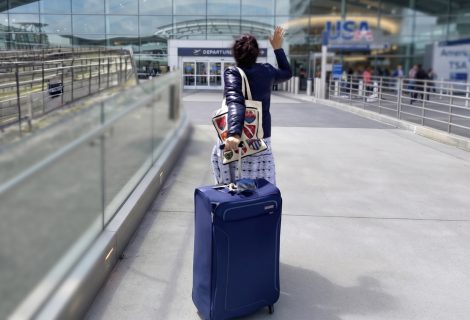



9 Travel Security Mistakes to Avoid
Travel should be enriching and relaxing. However, many travelers unknowingly make simple security mistakes that can compromise their safety and enjoyment. These nine common pitfalls — and practical ways to avoid them — will help you travel with greater confidence and peace of mind.
By Lisa Grotts • Updated July 2026 • 11 min read

Table of Contents
- Travel Safety Is Part of Traveling Well
- 1. Failing to Prepare Before Departure
- 2. Choosing Convenience Over Security
- 3. Forgetting to Secure Doors and Windows
- 4. Underusing Safety Features
- 5. Sharing Your Room Number Casually
- 6. Moving Through Spaces on Autopilot
- 7. Letting Your Guard Down on Vacation
- 8. Leaving Valuables Unsecured
- 9. Oversharing Your Travel Plans Publicly
- Frequently Asked Questions
Travel Safety Is Part of Traveling Well
Good etiquette doesn’t disappear when you travel. In fact, it adapts to new environments. Additionally, preparedness, discretion, and awareness become essential parts of polished travel. Therefore, whether you’re a solo traveler, business professional, or family vacationer, thoughtful security habits protect both your belongings and your overall experience.
Moreover, security isn’t about living in fear. Instead, it’s about confident, intentional travel that allows you to fully enjoy every journey.
1. Failing to Prepare Before Departure
Many travelers skip proper research. However, this is one of the most avoidable mistakes. Knowing your destination, hotel layout, and surrounding area forms the foundation of safe travel. Furthermore, before leaving home, take time to review your hotel’s location, nearby transportation, and general neighborhood safety.
Smart preparation includes the following steps:
- Saving hotel contact information offline
- Sharing your itinerary with a trusted contact
- Understanding local customs and emergency numbers
- Reviewing the hotel layout and multiple entrances
As a result, you’ll arrive better informed and more confident.
2. Choosing Convenience Over Security
Although convenience is appealing, it should never come at the expense of safety. For example, room location matters significantly. Solo travelers, in particular, should request rooms above the first floor when possible. Ground-level rooms may feel convenient; however, they often present easier access points from outside.
Consequently, at check-in it is perfectly reasonable to politely request a room in a well-lit, central area away from stairwells or exterior doors. Additionally, ask for your room number to be written down rather than spoken aloud.
3. Forgetting to Secure Doors and Windows
Upon arrival, many travelers settle in without checking their room thoroughly. However, sliding doors, windows, balconies, and connecting doors are common vulnerabilities. Therefore, take a quiet moment to inspect and lock every entry point immediately after entering.
Moreover, always re-check these areas every time you return to your room. This simple 60-second habit can make a meaningful difference in your overall security.
4. Underusing Available Safety Features
Even in high-end properties, travelers often forget to use basic security tools. For instance, always engage the deadbolt, chain latch, and secondary locks whenever you are inside. Additionally, use the peephole before opening the door to any visitor.
In cases where someone claims to be hotel staff, call the front desk to verify rather than assuming good intentions. As a result, you maintain both courtesy and caution at the same time.
5. Sharing Your Room Number Casually
Although it may seem harmless, announcing your room number in public spaces creates unnecessary risk. Therefore, treat your room number as private information. Instead of saying your room number aloud, suggest meeting in the lobby or send a text when you’re ready.
Furthermore, if a front desk agent says your room number out loud, you can politely request discretion or a different room.
6. Moving Through Spaces on Autopilot
Many travelers become absorbed in their phones or thoughts while navigating hotels and airports. However, awareness is not paranoia — it is simply good judgment. For example, look up from your device in elevators, hallways, and parking areas.
Additionally, notice who enters shared spaces with you and keep your belongings close. Consequently, you’ll make better decisions and project quiet confidence.
7. Letting Your Guard Down Because You’re on Vacation
Vacation naturally encourages relaxation. However, this should not mean abandoning all caution. In fact, tourist areas, hotel bars, and resorts often see increased risks precisely because people lower their guard. Therefore, continue watching your drink, keeping valuables secure, and staying mindful of your surroundings.
8. Leaving Valuables Unsecured
Although hotel safes are not perfect, they provide essential protection for passports, credit cards, jewelry, and important documents. Moreover, avoid leaving valuables in plain sight. Before leaving your room each day, take a quick mental inventory to ensure everything important is properly stored.
9. Oversharing Your Travel Plans Publicly
Social media makes real-time sharing tempting. However, posting your exact location while traveling can create security risks at both your destination and your home. Therefore, consider delaying posts until after you’ve left a location or returned home. Additionally, limit detailed information to trusted audiences only.
Why Thoughtful Travel Security Matters
In conclusion, security habits don’t diminish the joy of travel. On the contrary, they enhance it by reducing unnecessary stress. Furthermore, when you prepare ahead and move with awareness, you create more space for relaxation and memorable experiences.
Frequently Asked Questions
What are the most important travel safety tips?
The most critical tips include thorough pre-trip research, securing your hotel room, protecting your room number, using the hotel safe, and maintaining situational awareness in public spaces.
Is it safe to stay on the first floor of a hotel?
Generally, rooms above the first floor are preferable, especially for solo travelers, because ground-floor rooms can have easier exterior access.
Should I share my hotel room number with others?
It’s best to avoid announcing it publicly. Instead, meet people in common areas such as the lobby or restaurant.
Is it rude to be cautious while traveling?
Not at all. Caution and politeness can easily coexist. Good manners never require you to ignore your personal safety.
Why should travelers avoid posting in real time?
Real-time posts can reveal your current location and signal that your home may be unoccupied, making delayed posting a much safer practice.
Should solo travelers take extra precautions?
Yes. Solo travelers benefit greatly from requesting higher floors, staying aware in shared spaces, and always trusting their instincts.
Is the hotel safe secure enough for valuables?
While not infallible, the in-room safe is the best available option at most properties. For high-value items, consider additional personal security tools.
What should I do if I feel unsafe in my hotel?
Contact hotel security or the front desk immediately and do not hesitate to request a room change if needed.
How can I stay safe in hotel elevators?
Stand near the control panel, observe who enters with you, and feel free to exit if anything feels uncomfortable.
Should I use a portable door lock while traveling?
Many experienced travelers find portable door locks useful as an extra layer of security, particularly in vacation rentals and older properties.
Expert Tip from Lisa Grotts
Security is not about suspicion — it is about awareness. The most polished travelers move through the world with both grace and preparedness, allowing them to enjoy their journeys fully.
Conclusion: Travel with Confidence and Grace
In summary, avoiding these common travel security mistakes helps you explore more freely while protecting what matters most. Therefore, preparation, awareness, and discretion form the foundation of enjoyable, stress-free travel. Ultimately, thoughtful habits let you focus on creating memories rather than managing problems.
Travel thoughtfully, travel safely, and above all, travel well.
Explore Online Etiquette & Travel Courses
For personalized guidance, visit Lisa Grotts.