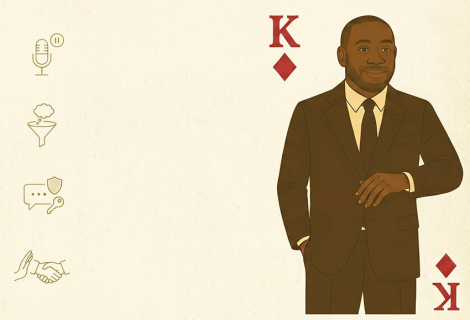



Civility Is in Short Supply—And It Matters More Than Ever
Table of Contents
- Civility Is in Short Supply—And It Matters More Than Ever
- What Is Civility?
- Why Civility Feels Like It’s Disappearing
- Civility in the Workplace
- Civility at Home and in Everyday Life
- The Connection Between Civility and Emotional Intelligence
- How to Practice Civility Every Day
- Frequently Asked Questions
In our fast-paced, reactive world, civility has become one of the most valuable skills we possess. However, it’s also one of the rarest. This guide explores why civility matters and how to practice it daily.
By Lisa Grotts • Updated July 2026 • 11 min read

Civility Is in Short Supply—And It Matters More Than Ever
Civility feels scarce today. However, this isn’t because people don’t care. Instead, speed has replaced reflection, and reaction has replaced restraint. Therefore, many conversations become shorter and more tense.
Moreover, we live in the most connected era in history, yet many feel increasingly disconnected. For this reason, civility — the discipline of respectful communication — has never been more valuable.
What Is Civility?
Many people confuse civility with mere politeness. However, civility goes deeper. It is a mindset rooted in respect, self-control, and genuine consideration for others.
Additionally, civility means disagreeing without disrespect, listening without interrupting, and correcting without humiliating. Consequently, it builds stronger relationships and healthier environments.
Why Civility Feels Like It’s Disappearing
The pace of modern life contributes significantly to this decline. Furthermore, constant connectivity rewards quick reactions rather than thoughtful responses. As a result, reflection often gets lost in the rush.
However, civility lives in the pause. It asks important questions before we speak or type: Is this necessary? Is this helpful? Is this respectful?
Civility in the Workplace
Few environments benefit more from civility than the workplace. Moreover, respectful communication improves collaboration, builds trust, and strengthens leadership presence.
In addition, giving credit, avoiding gossip, and managing conflict professionally create cultures where people thrive. Therefore, civility becomes a competitive advantage.
Civility at Home and in Everyday Life
Civility starts in ordinary moments. For example, how we speak to family when tired or respond to service professionals. Furthermore, small consistent acts like holding doors or listening fully create meaningful impact.
Consequently, civility rarely announces itself. Its power comes from quiet consistency.
The Connection Between Civility and Emotional Intelligence
Civility and emotional intelligence are closely linked. Both require awareness, empathy, and self-regulation. Therefore, managing emotions while remaining respectful strengthens all relationships.
In difficult conversations, civility reminds us that tone, timing, and words matter greatly.
How to Practice Civility Every Day
The good news is that civility doesn’t require grand gestures. Instead, small actions create real change. For instance, listen more than you speak and assume positive intent.
Additionally, pause before responding and choose relationship over ego. As a result, these habits build stronger connections over time.
Frequently Asked Questions
What is civility?
Civility is the practice of treating others with respect, consideration, and dignity — even during disagreement.
Why is civility important today?
Civility strengthens communication, reduces conflict, builds trust, and improves both personal and professional relationships.
What is the difference between civility and etiquette?
Etiquette provides behavioral frameworks, while civility is the daily mindset of applying respect in real interactions.
How can I be more civil during disagreements?
Listen actively, avoid personal attacks, manage your tone, and focus on understanding rather than winning.
Does civility matter in the workplace?
Absolutely. It improves teamwork, leadership presence, and creates a culture of trust and professionalism.
How does social media affect civility?
Social media often rewards quick reactions over thoughtful responses, making awareness even more essential online.
Can civility exist with strong opinions?
Yes. Civility allows us to hold strong opinions while still treating others with dignity and respect.
How do I teach civility to children?
Model respectful behavior, explain the “why” behind manners, and praise thoughtful actions.
Is civility the same as being nice?
Not exactly. Civility is deeper than surface-level niceness — it includes honesty and strength delivered respectfully.
What is the best way to rebuild civility in society?
Start with yourself. Small consistent acts of awareness and respect create ripple effects in families, workplaces, and communities.
Expert Tip from Lisa Grotts
Civility is composure under pressure. The true test of character isn’t how we behave when everything is easy — it’s how we conduct ourselves when it’s not.
Conclusion: Civility Is Awareness in Action
In summary, civility is not about being quiet or avoiding difficult topics. On the contrary, it is about engaging thoughtfully and respectfully. Therefore, when we choose awareness over reaction, we strengthen relationships and create better environments.
Ultimately, civility may be in short supply, but that only makes it more valuable. Start practicing it today — your presence will be felt.
Explore the Gen Z Golden Rules Playbook
Ready to master modern manners? Join the Dining Etiquette Masterclass or Explore All Courses.